

 EN
EN



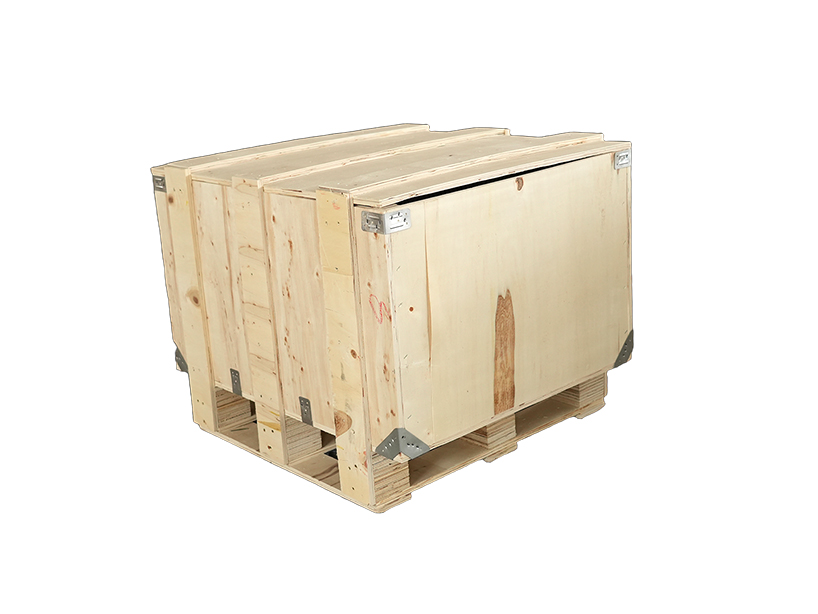
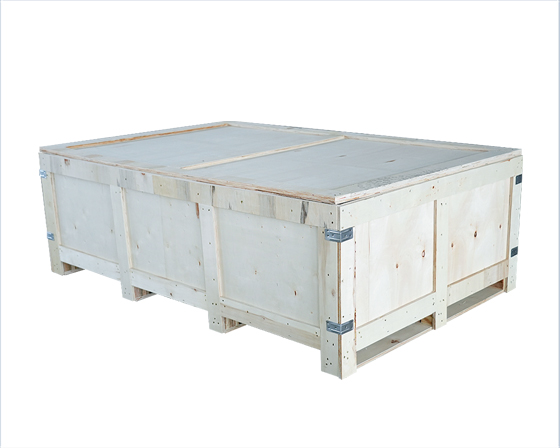
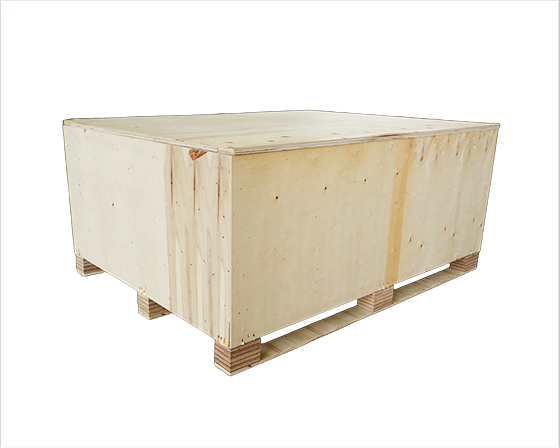
In the field of international logistics, wooden crates serve as the primary load-bearing carriers for heavy goods. Their level of standardization directly impacts cargo safety, customs clearance efficiency, and transportation costs. Wooden crates that comply with international norms must balance requirements for materials, craftsmanship, and quarantine, while achieving the unification of compliance and efficiency through innovative practices.
Material and Dimensional Standardization is the foundational requirement. According to the GB/T 33538-2017 and SN/T 0273-93 standards, solid wood crates must utilize non-decayed, insect-free timber such as Korean pine or white pine. The thickness of the planks should be no less than 15mm, and reinforcing wooden battens should measure 50×50mm. Plywood crates (exempt from fumigation), using 9-15mm plywood, can directly bypass quarantine procedures. In terms of dimensions, the standard crate size (including pallet) is 1.1×1.1×1m. Special dimensions require confirmation by both buyer and seller. The crate bottom must feature forklift entry points, and external corners must be fitted with protective pieces.
Quarantine Compliance is a crucial threshold for cross-border transportation. Adhering to IPPC and ISPM15 standards, solid wood packaging must undergo heat treatment (65°C for 30 minutes) or fumigation treatment, with a permanent IPPC mark applied. Countries like the United States and Canada require official Fumigation/Disinfection Certificates. The European Union prohibits wooden crates with bark or insect boreholes exceeding 3mm in diameter. Nanjing Kaizhuo Packaging, for instance, uses RFID chips to trace treatment data, reducing customs clearance time for cargo at the Port of Hamburg from 72 hours to just 8 hours, providing an industry benchmark for compliance.
Structural Protection and Practical Optimization demonstrate practical value. The interior of crates must use EPE foam or polystyrene foam to fill voids. Hazardous goods packaging requires layered isolation, with stacking height not exceeding 1 meter. For transporting precision instruments, Kaizhuo Packaging innovatively employs a "gradient cushioning structure," increasing compressive strength to 800kg/m² and reducing vibration amplitude by 42%. Modular design is equally crucial. By utilizing pre-fabricated standard connectors and 3D configuration software, the production and delivery cycle can be shortened by 55%, meeting urgent shipping demands.
Standardization is not a rigid set of rules, but a dynamic and optimizing system. Enterprises must integrate material selection, process design, and quarantine treatment based on the requirements of the destination country, the characteristics of the cargo, and the transportation environment. Only then can the unification of safety, compliance, and efficiency be achieved in international logistics.


Email: jia@zhongying-mt.com
Address: Building 22, Linkeast U-Valley, 200 meters southwest of the intersection of Yinquan Road and Maoshan Street, Fushan District, Yantai City, Shandong Province, China


